Competitions
Top Science Fair Project Ideas for High School Students
Discover top science fair project ideas for high school students that stand out to judges, build real research skills, and strengthen college applications.
Read Now
4
minute read


.webp)
Begin your journey to exceptional projects
Biology and Health Sciences are consistently among the most sought-after college majors for undergraduates in the United States


For high school students with a passion for biology and scientific discovery, summer is more than just a break from the classroom—it’s a valuable window to explore academic interests, conduct meaningful research, and gain firsthand experience in the life sciences. Whether your interests lie in molecular biology, ecology, neuroscience, or biomedical engineering, participating in a high-quality biology summer program can be transformative.
These programs offer much more than textbook learning. They allow students to:
Beyond academic enrichment, these experiences also strengthen college applications. Demonstrating initiative, curiosity, and depth in scientific exploration signals to selective universities that a student is ready for the challenges of higher education. In fact, many students who attend summer research programs go on to pursue undergraduate research, internships, and pre-med or graduate studies in biology-related fields.
At Nova Scholar Education, we understand how pivotal early research experiences can be in shaping a student’s academic journey. That’s why we’ve curated a list of ten exceptional biology summer programs—offering a mix of residential and virtual formats, varying in duration, intensity, and selectivity. Some are open-enrollment; others are highly competitive and require applications or nominations.
Whether you're interested in understanding cancer at the cellular level, exploring pediatric medicine, investigating ecological systems, or learning the fundamentals of genetic research, there is a program designed to match your goals and schedule.
This guide includes:
Read on to discover biology summer programs that can unlock your potential, deepen your understanding of the natural world, and set you on a course toward academic and professional success.
For high school students eager to master advanced biology concepts in a flexible, virtual format, the Advanced Biology course offered through Johns Hopkins Center for Talented Youth (CTY) is an excellent choice. Designed to simulate a first-year college biology experience, this online course challenges students to engage with rigorous material while developing essential skills in scientific thinking, analysis, and communication.
The course provides an excellent springboard for students who want to strengthen their scientific reasoning and prepare for competitive summer research or college-level biology classes.
As part of Johns Hopkins University’s CTY program, this course reflects the institution’s commitment to academic excellence. Students gain access to a renowned community of gifted learners and benefit from instructors with strong credentials in both biology and education. The course’s structure fosters independence while providing meaningful academic support.
Program Format: Online, asynchronous with optional live sessions
Program Length: Flexible; typically 10–12 weeks during summer
Eligibility: High school students who meet CTY qualification standards (test scores or application)
For high school students aged 18 and older who aspire to careers in biomedical science, medicine, or cancer research, the Summer Program in Cancer Research (SPCR) at the MD Anderson Cancer Center offers an exceptional opportunity to participate in real-world research at one of the world’s top cancer institutes. This 10-week, full-time program immerses students in professional laboratory environments where they contribute to ongoing research projects alongside leading scientists and clinicians.
MD Anderson Cancer Center is consistently ranked as one of the top cancer hospitals in the world. The SPCR program offers unparalleled access to elite faculty, sophisticated lab facilities, and meaningful research opportunities. For high school students, it provides early exposure to the intensity and purpose of biomedical science while strengthening their academic portfolios and college applications.
Program Format: In-person, full-time
Program Length: 10 weeks (typically early June to mid-August)
Eligibility: High school students aged 18+ at the time of program start
For high school students interested in careers in biomedical sciences, pediatric medicine, or public health, the Pediatric Oncology Education (POE) Program at St. Jude Children’s Research Hospital offers a prestigious, funded summer internship that blends scientific research with clinical observation. This program introduces students to the real-world applications of science in the fight against childhood cancer and other life-threatening diseases.
St. Jude is internationally recognized for its leadership in pediatric cancer treatment and research. The POE Program provides students with a rare opportunity to conduct meaningful research at a leading medical institution while learning directly from experts at the forefront of pediatric healthcare. Funded participation also makes this program financially accessible.
Many POE alumni go on to pursue MD, PhD, or MD-PhD degrees, and some return to St. Jude as college or graduate interns—making this program a meaningful launching pad for future leaders in medicine and science.
Program Format: In-person, full-time
Program Length: Typically 8–11 weeks (varies by placement)
Eligibility: High school seniors aged 18+ by program start; must be U.S. citizens or permanent residents
The Future Scientist Program at Indiana University’s Simon Comprehensive Cancer Center is a dedicated initiative aimed at empowering rising high school juniors from Indianapolis and Marion County public schools through immersive, mentored research in biomedical sciences. This eight-week summer program is designed to provide early exposure to research careers, particularly for students from underrepresented backgrounds in STEM.
This program not only provides rigorous scientific training but also focuses on increasing equity and representation in the biomedical sciences. It offers students who might not otherwise have access to research opportunities a meaningful introduction to academic science and medical discovery.
Participants leave with:
Program Format: In-person, full-time
Program Length: 8 weeks (typically June–July)
Eligibility: Rising high school juniors in Indianapolis or Marion County public schools
The Anson L. Clark Scholars Program at Texas Tech University is one of the most prestigious and competitive summer research opportunities available to high school students in the United States. Open to just twelve high-achieving juniors and seniors each year, this seven-week residential program provides unparalleled access to individual research mentorship across a wide range of disciplines—including the biological and health sciences.
Unlike many group-based programs, the Clark Scholars Program offers a one-on-one mentorship model that mirrors what undergraduates and graduate students experience in top-tier labs. Scholars are treated as junior researchers, contributing meaningfully to faculty-led projects. The program is fully funded, covering tuition, housing, meals, and activities, making it an accessible option for students nationwide.
With its highly selective admissions process and individualized structure, this program is a strong stepping stone for students pursuing elite college admissions, competitive STEM scholarships, or research careers in biology, medicine, and related fields.
Program Format: In-person, full-time and residential
Program Length: 7 weeks (typically mid-June through early August)
Eligibility: U.S. high school juniors and seniors (ages 17 and up); admission is highly competitive
The Pre-College Scholars Program at the University of California, Berkeley offers high school students a valuable opportunity to immerse themselves in a college environment while taking university-level courses for credit. Set at one of the world’s leading research institutions, this program allows students to engage deeply with subjects like biology, chemistry, environmental science, and more, all while gaining firsthand experience with campus life.
Berkeley’s Pre-College Scholars Program is ideal for students looking to challenge themselves academically while getting a realistic glimpse of undergraduate life at a top-tier public university. Earning college credit before high school graduation gives students a head start on future coursework and can strengthen college applications by demonstrating initiative and readiness for rigorous academics.
With its flexible delivery formats, the program is accessible to a wide range of students, whether they’re seeking a fully immersive residential experience or prefer to participate from home.
Program Format: In-person (residential or commuter) or online
Program Length: 6 weeks (typically June–August)
Eligibility: Rising 11th–12th grade students; international and domestic applicants welcome
The Research Mentorship Program (RMP) at the University of California, Santa Barbara (UCSB) offers high-achieving high school students the opportunity to conduct hands-on research in a wide array of academic disciplines—including biology, biomedical engineering, neuroscience, and environmental science. This six-week, competitive summer program immerses students in the university research ecosystem and helps them develop skills in scientific inquiry, data analysis, and academic writing.
RMP is one of the few high school research programs that offers direct integration into university labs and college credit for research performance. Students are treated as junior scholars—contributing original work, learning advanced concepts, and developing the academic rigor needed to succeed in competitive undergraduate programs.
Set against the backdrop of UCSB’s coastal campus, the program also offers an inspiring setting that combines academic challenge with community-building among passionate, driven peers.
Program Format: In-person, residential
Program Length: 6 weeks (typically late June through early August)
Eligibility: Rising 11th–12th grade students; selective admissions based on transcripts, essays, and recommendations
The Summer Mentorship Program (SMP) at the University of Pennsylvania is a highly impactful, four-week summer enrichment experience designed to introduce rising 10th and 11th-grade students from Philadelphia to college life and professional career pathways. Through one-on-one mentorship and academic exposure, students explore fields such as medicine, nursing, dentistry, law, and biomedical sciences, all while engaging with one of the nation’s top Ivy League institutions.
Penn’s SMP is a mission-driven program that combines academic enrichment with real-world career exploration, all within a supportive mentorship model. Participants not only build college readiness skills but also gain confidence in navigating competitive academic environments. The program fosters lasting relationships with mentors and peers and provides a powerful sense of what’s possible for students with high aspirations.
Many alumni of the program go on to enroll in selective universities and pursue careers in medicine, science, and public health—often citing SMP as a key turning point in their journey.
Program Format: In-person, non-residential (commuter)
Program Length: 4 weeks (typically in July)
Eligibility: Rising 10th and 11th grade students enrolled in Philadelphia public or charter schools
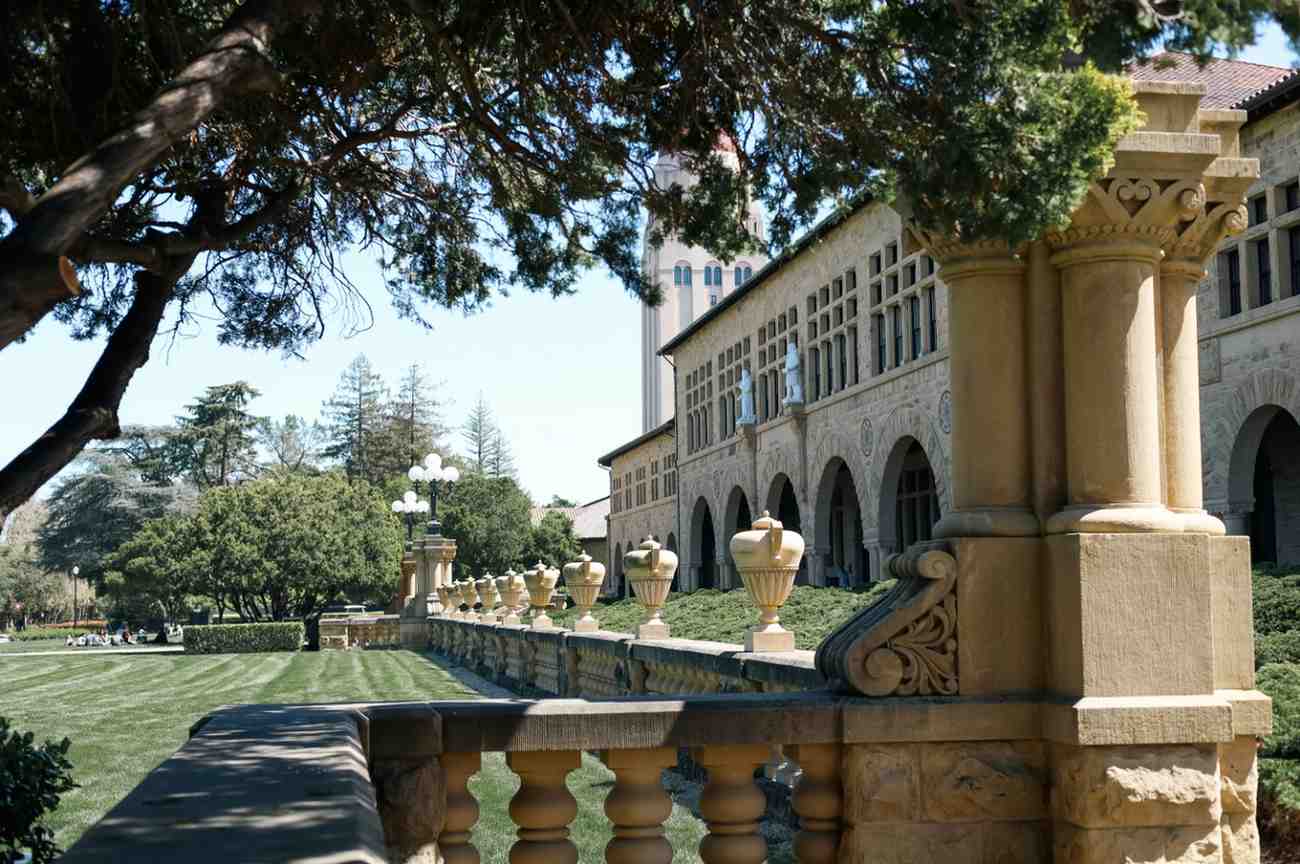
The Clinical Neuroscience Immersion Experience (CNI-X) at Stanford University is a competitive, two-week summer program designed to introduce high school students to the intersection of neuroscience, psychiatry, and psychology. Hosted by the Stanford Department of Psychiatry and Behavioral Sciences, CNI-X offers an unparalleled opportunity for motivated students to explore how brain science informs clinical care and mental health interventions.
Stanford’s CNI-X stands out for its interdisciplinary approach—blending scientific research with clinical insight—and for its direct access to Stanford researchers and healthcare professionals. The program offers a realistic view of what it's like to work in neuroscience and psychiatry while helping students explore potential academic and career paths.
Unlike traditional classroom learning, CNI-X emphasizes team-based inquiry, mentorship, and applied research, making it an ideal fit for curious, collaborative students ready for an academic challenge.
Program Format: Online or hybrid (varies by year); interactive seminar-style
Program Length: 2 weeks (typically offered in multiple sessions over the summer)
Eligibility: High school students (typically grades 10–12); U.S. and international applicants welcome
The Research in the Biological Sciences (RIBS) program at the University of Chicago is a four-week intensive summer course designed to provide high school students with immersive training in the core techniques and practices of modern biological research. Tailored for students with a strong interest in laboratory science, the program offers a deep dive into the experimental processes that drive discoveries in molecular biology, microbiology, and cell biology.
RIBS is known for its academic rigor and for preparing students for the demands of college-level biology courses and undergraduate research. Alumni of the program often cite it as instrumental in confirming their interest in scientific research and providing a foundation for success in selective STEM programs.
Unlike lecture-based summer courses, RIBS offers a highly experiential, lab-based curriculum, making it ideal for students who want to go beyond theory and engage directly with the processes that drive biological innovation.
Program Format: In-person, full-time and residential
Program Length: 4 weeks (typically July)
Eligibility: Rising 11th–12th grade students; strong foundation in biology and chemistry recommended
Participating in a biology summer program can be one of the most formative and inspiring steps in a student’s academic journey. These immersive experiences not only deepen students' understanding of the life sciences but also cultivate critical skills such as scientific inquiry, lab technique, data analysis, and collaboration. From conducting molecular experiments to shadowing researchers at leading institutions, students gain a front-row seat to the processes that drive innovation in health, medicine, and environmental science.
Whether you're a student just beginning to explore your curiosity about biology or one already committed to a future in biomedical research, there’s a program to match your level, interests, and aspirations. Some offer a broad introduction to the life sciences, while others provide highly competitive, research-intensive environments that mirror college or even graduate-level work.
Just as important, these programs help students:
At Nova Scholar Education, we’re passionate about helping students make the most of opportunities like these. Our mentorship-based programs—including:
…are designed to support students at every stage of their academic journey, from skill-building and project design to publication and competition readiness. Our mentors—exclusively from Stanford, Harvard, Yale, Princeton, and MIT—offer the expert guidance students need to grow with confidence and purpose.
By combining passion with preparation, students can turn their summer into a launchpad for future success in biology and beyond. Whether through a national research program or a personalized mentorship experience, what matters most is taking the initiative to engage, explore, and discover



.webp)

.webp)
