
Competitions
Top Science Fair Project Ideas for High School Students
Discover top science fair project ideas for high school students that stand out to judges, build real research skills, and strengthen college applications.
Read Now
4
minute read


.webp)
Begin your journey to exceptional projects
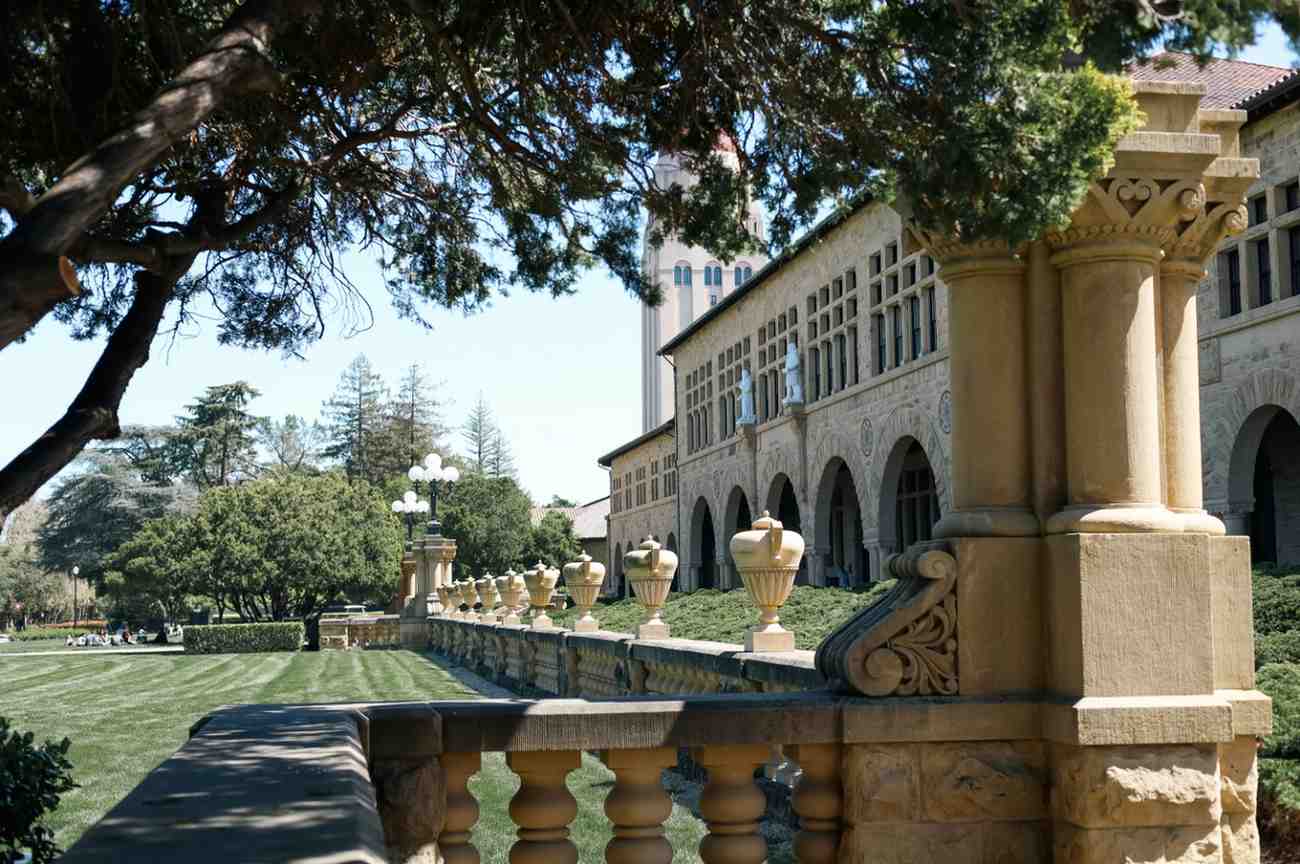
Stanford University, renowned for its exclusive admission process, did not officially disclose its acceptance rate this year


Each year, thousands of ambitious high school students set their sights on the most prestigious universities in the world. Names like Stanford, Harvard, MIT, Princeton, and Yale have become synonymous with academic excellence, cutting-edge research, and life-changing opportunities. Students spend years preparing—maintaining perfect GPAs, excelling in AP and IB courses, scoring in the top percentiles on standardized tests, conducting original research, launching nonprofits, leading student organizations, and mastering multiple extracurricular activities. All of this is done in the hope of securing admission to one of these elite institutions.
But despite these immense efforts, the majority face rejection. For instance, Stanford University received over 56,000 applications in a recent year and accepted only around 2,000. That’s an admit rate of just 3.7%. This means over 96% of applicants—including many with flawless academic records and remarkable accomplishments—are turned away.
This deeply competitive landscape reflects a reality that many find hard to accept: even excellence doesn’t guarantee admission. The process is far more complex, opaque, and nuanced than most students or families realize.
It’s easy to believe that college admissions is a straightforward meritocracy. That if you work hard, check all the boxes, and excel in every area, you’ll be rewarded with a spot at a top university. Unfortunately, the reality is far more complicated.
Elite universities are not merely evaluating applicants on the basis of academic excellence. They are crafting a class. This means they consider a range of factors including:
Even among straight-A students with perfect test scores, not everyone gets in. And that’s by design. These schools have limited space and expansive goals. Their task is not just to admit the "best" students—but to build the most balanced, dynamic, and diverse class possible.
The phrase “you did everything right and still didn’t get in” has become a common refrain in today’s admissions world. This is because the sheer volume of high-achieving applicants makes it statistically impossible for all deserving candidates to be admitted.
Let’s say a school receives 50,000 applications for 2,000 spots. If even 10,000 of those students are academically flawless, only a small fraction will be selected. The rest, no matter how talented or accomplished, will be denied.
In many cases, decisions come down to things entirely outside the applicant’s control:
These aren’t reflections on your worth or potential. They’re reflections of institutional needs.
When you’ve poured your heart into an application—when your hopes are pinned on a single letter—it’s devastating to read the word "regret" in your admissions decision. Rejection feels deeply personal. It stings, not just because of the denial, but because of the years of effort leading up to it.
It’s important to acknowledge that these feelings are valid. Rejection can trigger a sense of failure, identity loss, or even shame. But none of those feelings reflect the truth.
A rejection from a highly selective college is not a judgment of your intelligence, talent, or potential. It’s simply an unfortunate outcome in an incredibly competitive and complex system.
In her memoir The Golden Ticket: A Life in College Admissions Essays, former Stanford admissions officer Irena Smith sheds light on the inner workings of elite admissions. At Stanford in the 1990s, applications were color-coded based on competitiveness—green for non-competitive, yellow for borderline, red for standout. Readers would pore over every component: transcript rigor, GPA trends, letters of recommendation, essays, and extracurriculars.
Yet even within the “yellow” group—those deemed competitive—most students were ultimately rejected. Why? Because they had to make choices among excellent applicants, and those choices often reflected broader priorities: needing more engineers, more artists, more students from the South.
Even today, this dynamic persists. Applications are read holistically, but the final decision may hinge on what the institution needs at that moment—not on who is objectively more qualified.
The best way to deal with rejection is to reframe it. Instead of seeing it as a door slammed shut, view it as a signpost: this path didn’t open, so try another. Many students who were rejected from their dream schools later reflect that their college journey took them exactly where they needed to go.
What matters most is not where you go to college, but what you do when you get there. Countless students thrive at less well-known institutions, gaining mentorship, leadership opportunities, and academic freedom that they might not have experienced elsewhere.
Use this moment to:
We live in a culture obsessed with brand names and prestige. But real success is built on grit, creativity, and meaningful work. Oprah Winfrey went to Tennessee State University. Steve Jobs dropped out of Reed College. Maya Angelou never attended college at all.
What they all had in common was vision, determination, and a willingness to take unconventional paths.
Students should understand that where you go to college might open a door—but it’s how you walk through it that defines your future.
Having a mentor can make all the difference in turning rejection into opportunity. A mentor helps you:
At Nova Scholar Education, students work with mentors from leading universities to shape meaningful academic and personal journeys. These mentors emphasize authenticity, creativity, and adaptability—skills far more valuable than a name-brand college alone.
Programs like Nova Research and Nova Patent encourage students to launch original projects, conduct publishable research, and even file for patents—achievements that will serve them for years, no matter where they study.
Plenty of students who were rejected from Ivy League schools go on to thrive elsewhere. They:
And they often do so with greater clarity, purpose, and motivation. Rejection lit a fire under them. They worked even harder—and proved that their potential was never defined by a single decision.
If you’ve received a college rejection, here’s what you can do:
A college rejection is not the end. It’s a plot twist. And sometimes, the most interesting, transformative journeys begin with disappointment.
Stay focused on your passions. Seek out people who inspire you. Build things. Learn relentlessly. You don’t need anyone’s permission to succeed.
And remember: your future is not in an admissions officer’s hands. It’s in yours.
Colleges don’t define your worth. Your ideas, values, creativity, and contributions do. The road ahead will have setbacks and surprises—but also triumphs you never expected.
If you embrace the uncertainty, stay curious, and keep creating, the journey will lead you somewhere remarkable.
At Nova Scholar Education, we believe every student has the power to build a future grounded in meaning, resilience, and bold possibility—regardless of where they go to college.
You are not your rejection. You are your response to it.
And that’s where your real story begins.



.webp)

.webp)
